Is HMRC Holding on to Your Cash?
HMRC is Sitting on Billions of UK Taxpayer Money
Are You One of the Millions Quietly Overpaying Tax to HMRC?
Every year in the UK, millions of ordinary workers, employees and pensioners pay the wrong amount of tax, often without realising it for years. Recent analyses suggest that taxpayers have overpaid billions of pounds in Income Tax through mistakes in tax codes and PAYE calculations.
Behind those big numbers are real people on PAYE who simply trust that "HMRC must have got it right" – until a letter, or a surprise tax refund, proves otherwise.
HMRC's own guidance confirms that if you've paid too much or too little by the end of the tax year, it has to issue a tax calculation – either a P800 or a "Simple Assessment" – to tell you about refunds or underpayments. These calculations are usually issued between June and the following March and mainly go to people who are employed or receiving a pension, not to everyone. If you are in Self Assessment, there is no P800 at all – HMRC just adjusts your bill within the online system. So it is perfectly possible for a PAYE taxpayer to be on the wrong code, pay too much tax for years, and only discover it much later.
How do these overpayments happen?
HMRC lists a number of common triggers for a "tax calculation" letter, and they are all very ordinary life events.
- You were put on the wrong tax code because HMRC had incomplete or outdated information about your income.
- You changed jobs, or had two jobs at once, and were paid by both in the same month.
- You started receiving a workplace or private pension.
- You received certain state benefits such as Jobseeker's Allowance or Employment and Support Allowance.
- You recently moved from self-employment to employment.
Individually, none of these feels like a tax problem – they're just normal changes in work or retirement. But the PAYE system depends on HMRC holding the right information at the right time, and if your code is wrong, your employer or pension provider simply follows that wrong code. Month after month, the wrong amount of tax is taken from your pay, and you may be none the wiser.
Multiply that across millions of taxpayers and it's easy to see how over £3 billion of over(and under)payments can build up quietly in the background in a single tax year. Some of those overpayments are eventually refunded, but a significant amount may never be reclaimed because taxpayers don't check or don't understand that they can challenge what HMRC's systems have produced.
The quiet shift to "digital by default"
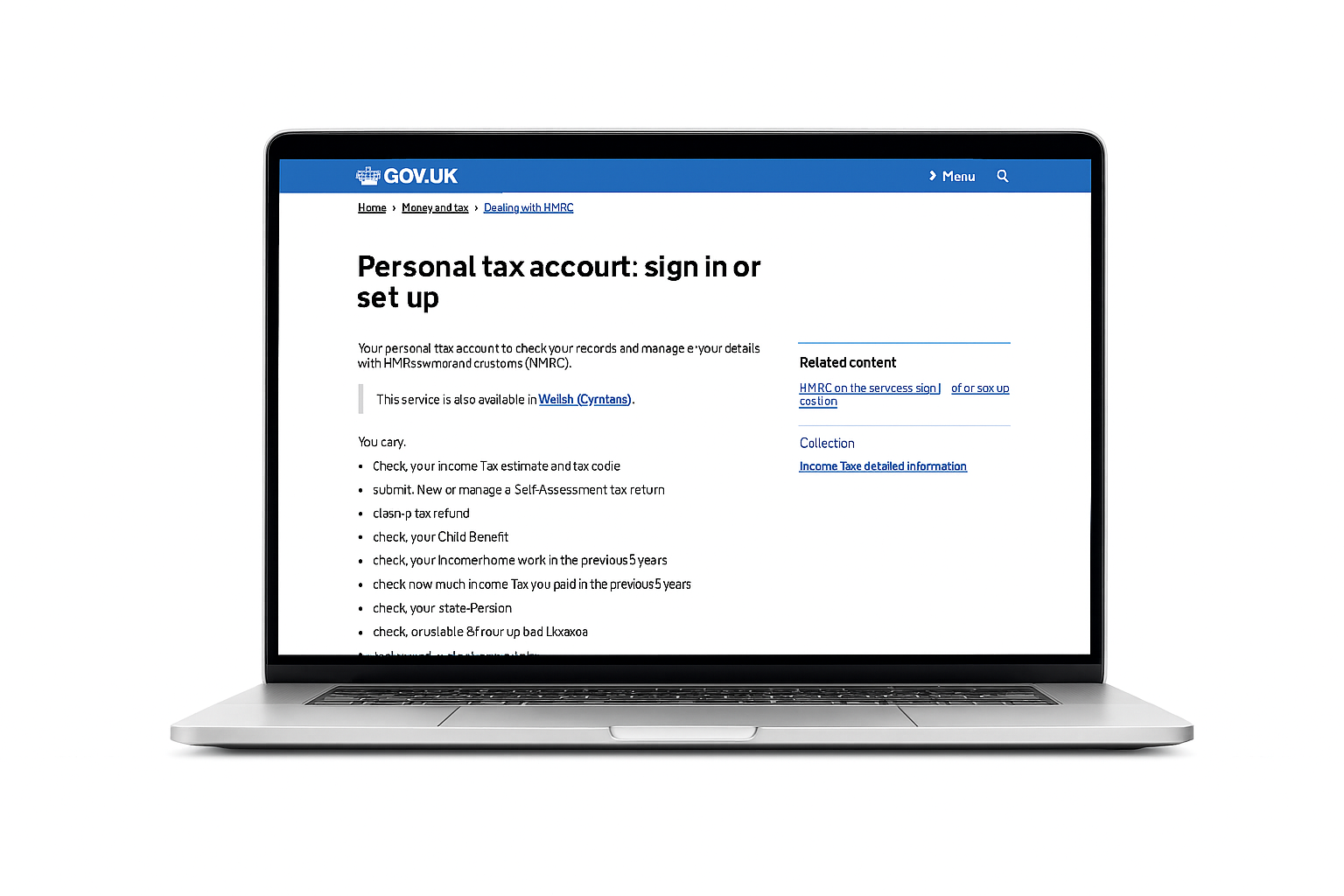
There's another trend that makes this more worrying: HMRC's rapid move to digital communication. Over the last few years, more and more services have moved online, and the Personal Tax Account is now the main route for individuals to see their records and messages. Once someone has signed in online even once, HMRC can treat that as a signal that they can be contacted electronically – through the secure message inbox in their Personal Tax Account, not necessarily by post.
The problem is many any people:
- Sign in once because they were prompted or needed a one‑off form.
- Don't really understand what the Personal Tax Account can do.
- Forget their Government Gateway user ID and password by the time they need it again.
So HMRC may send an electronic message about a tax code change or a calculation, but the taxpayer never sees it, because they rarely (or never) log back in. If they've effectively gone "paperless" without realising, they might not get a physical P800 through the post at all, even where there's an over‑ or under‑payment.
This gap between HMRC's digital expectations and taxpayers' actual habits is one of the reasons I've been urging people for years – in my professional articles and on LinkedIn – to treat their Personal Tax Account like online banking. In earlier pieces aimed at agency workers and umbrella employees, I've consistently advised readers to use their Personal Tax Account to check income and tax, rather than assuming HMRC always gets it right.
I recently commented on an article aimed at contractors and umbrella workers, warning that HMRC could be charging billions too much tax through coding and assessment errors. You can read that article here:
https://www.contractoruk.com/news/contractors-warned-over-hmrc-charging-ps35-billion-too-much
The figures focus on contractors and off‑payroll workers, but the underlying message applies to anyone paid under PAYE: Please do not assume that your code and your tax are automatically correct. Get control of your Personal Tax Account and take control of how much tax you pay.
Follow this link to access your Personal Tax Account...https://www.gov.uk/personal-tax-account